Research Projects
Explore available research opportunities

Adaptive Nerve Cuff
This project focuses on designing, fabricating, and testing conductive-polymer-based neural electrodes to enable miniaturized, biocompatible, and energy-efficient closed-loop neuroprosthetic interfaces for next-generation bioelectronic medicine.

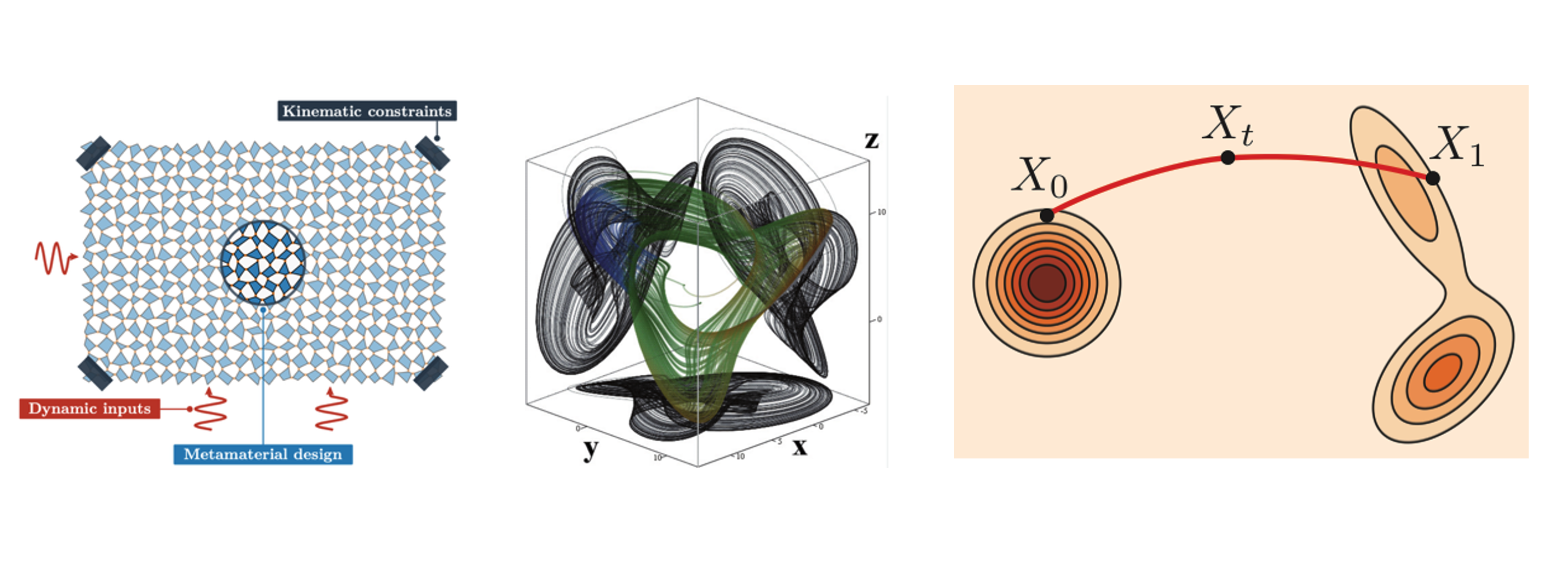
Regressing chaos through flow matching towards modelling and design of nonlinear dynamic metamaterials
Develop a machine-learning flow-matching algorithm, capable of predicting behavior of nonlinear dynamic metamaterials, allowing for design of new metamaterial structures.

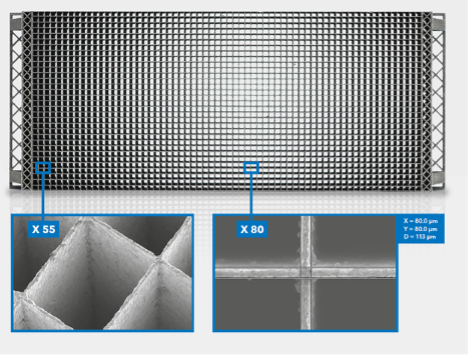
A comparative assessment of additive manufacturing methods for the production of pure tungsten
A comparative assessment of different additive manufacturing processes will be conducted for pure tungsten material.

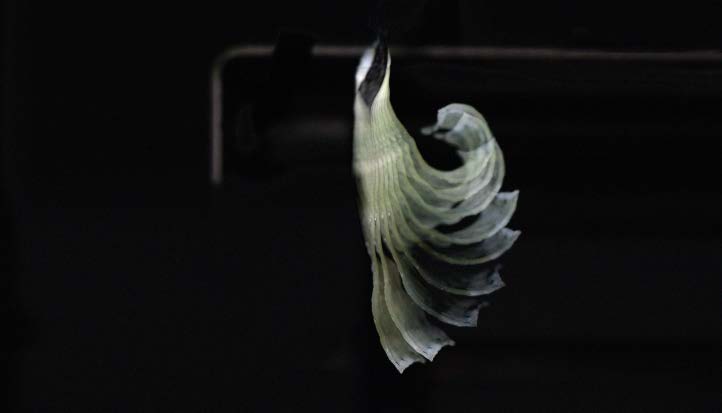
Design and implementation of a learning strategy for neuromorphic soft robots
This project develops bio-inspired learning soft robots by integrating an organic neuromorphic “brain” based on organic electrochemical transistors that process and store sensory information in hardware. Coupled to liquid crystal elastomer actuators, the system enables real-time adaptation of robotic behavior through seamless integration of sensing, learning, and actuation.
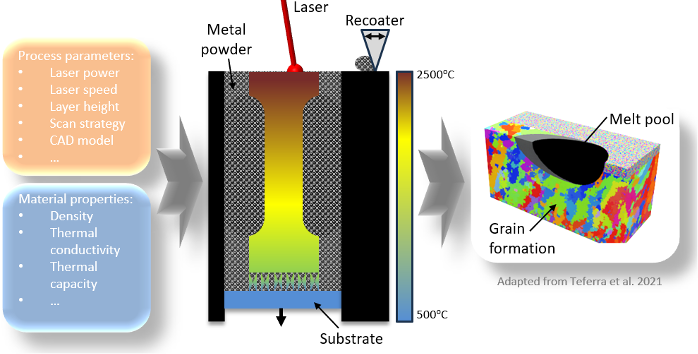
Numerical Study of Additively Manufactured Tungsten using LPBF for Fusion Applications
A part-scale model for additive manufacturing of tungsten components for nuclear fusion applications will be developed
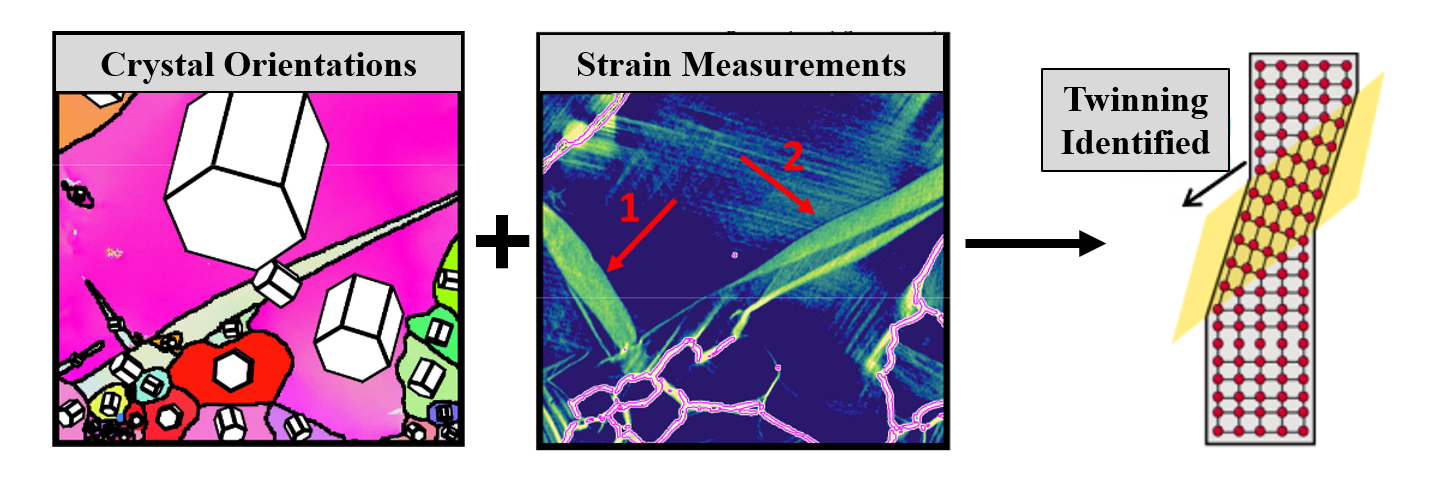
Automatic identification of “twinning” in metals on the microscale
Develop an automatic method to detect “twinning” in metals using high-resolution deformation (strain) maps and crystal orientation measurements. You’ll work with experimental & synthetic data, building on an existing Matlab slip-identification tool to design, test, and validate a new twinning-recognition approach.



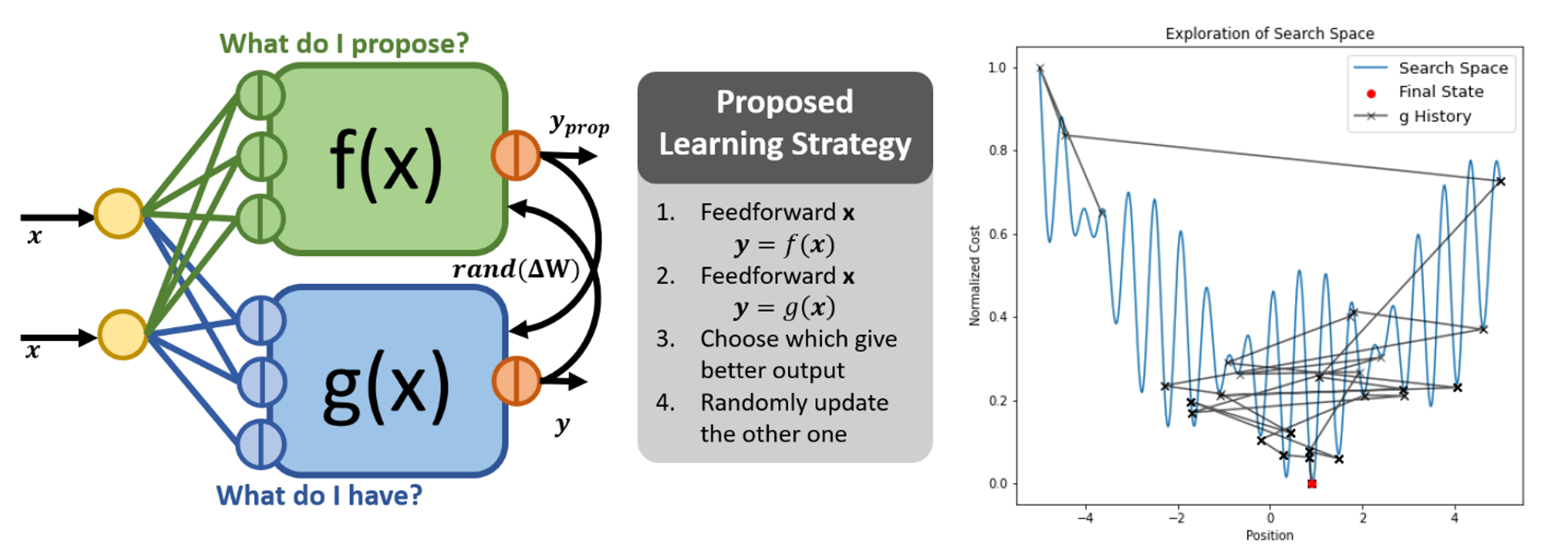
Realize Hardware based Simulated Annealing in a Hardware Based Network
This project explores energy-efficient neuromorphic learning by implementing a hardware-based simulated annealing algorithm that exploits the intrinsic physical properties of memory–processor devices. By realizing a dueling-network learning strategy directly in hardware, the system can autonomously adapt its behavior and converge toward optimal solutions without explicit knowledge of internal weights.
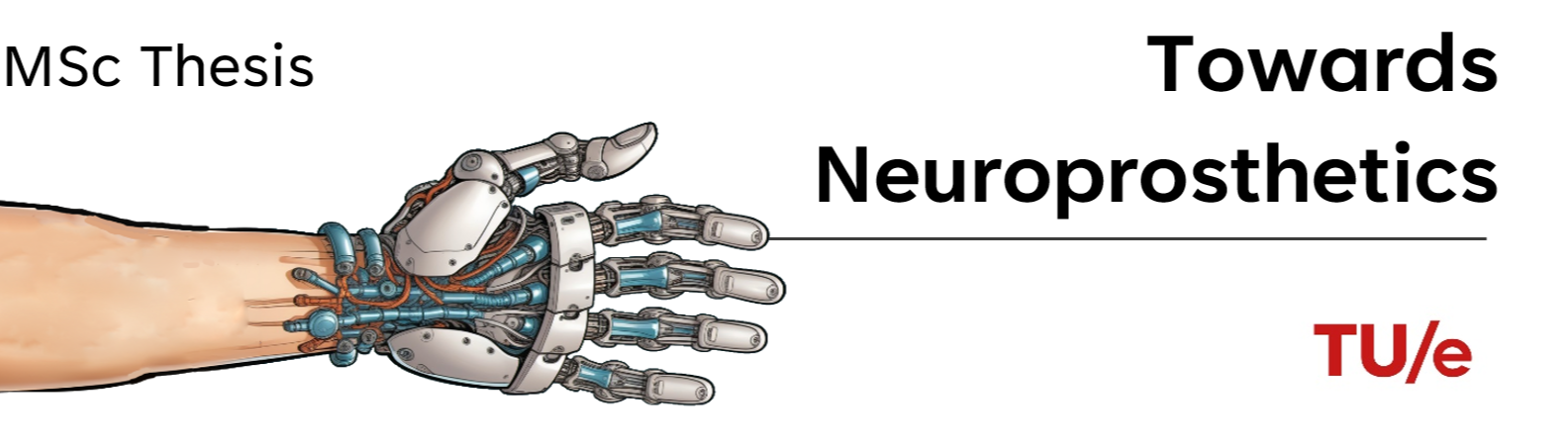
Adaptive Organic Neural Interfacing
This project develops next-generation adaptive neuroprosthetics by using organic electronic devices to create fast, tunable, and minimally invasive neural interfaces on a single chip. By combining organic electronics, materials science, and microfabrication, the work aims to enable personalized electroceutical therapies that sense, adapt, and interact with the nervous system to improve patient outcomes.
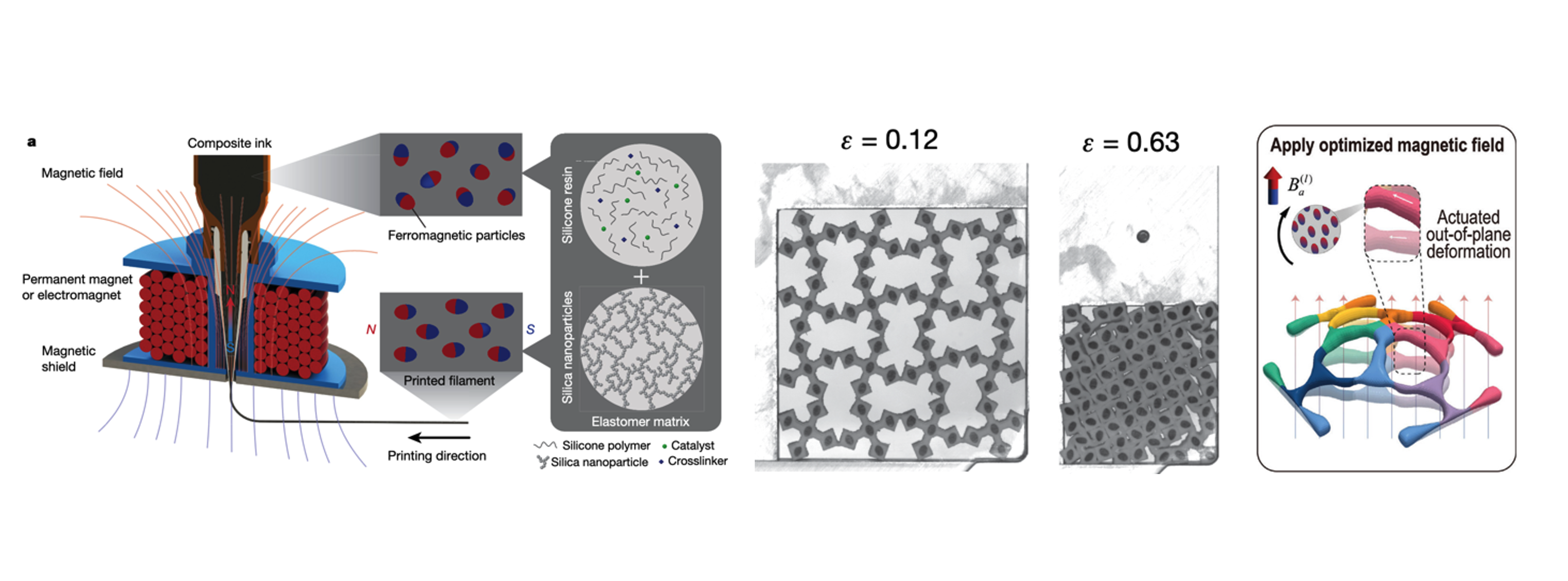
Design and manufacturing of 3D morphing scaffolds
Within this project, you will focus on computational design and additive manufacturing through 3D printing of shape-morphing scaffolds that can achieve desired shape change triggered by applications of external magnetic fields for applications in biomedical engineering.
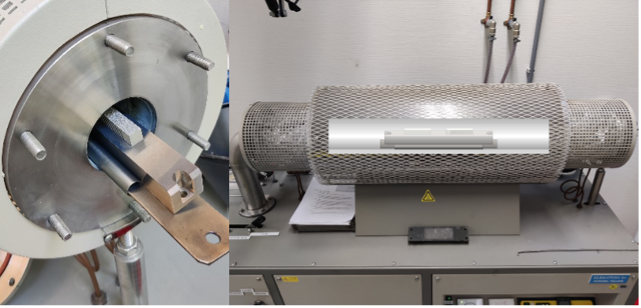
Impact of post heat treatment on performance of 3D printed tungsten products
The impact of post heat treatment will be evaluated on microstructural and mechanical characteristics of 3D printed tungsten Anti scatter grids (ASG).
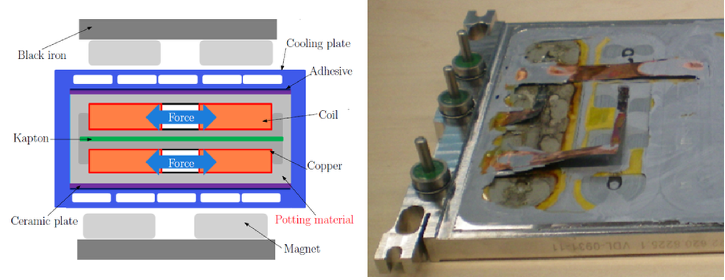
Characterization of potting material + interfaces in electromagnetic actuators
The microstructure and failure mechanisms of a potting material in electromagnetic actuators are experimentally investigated.
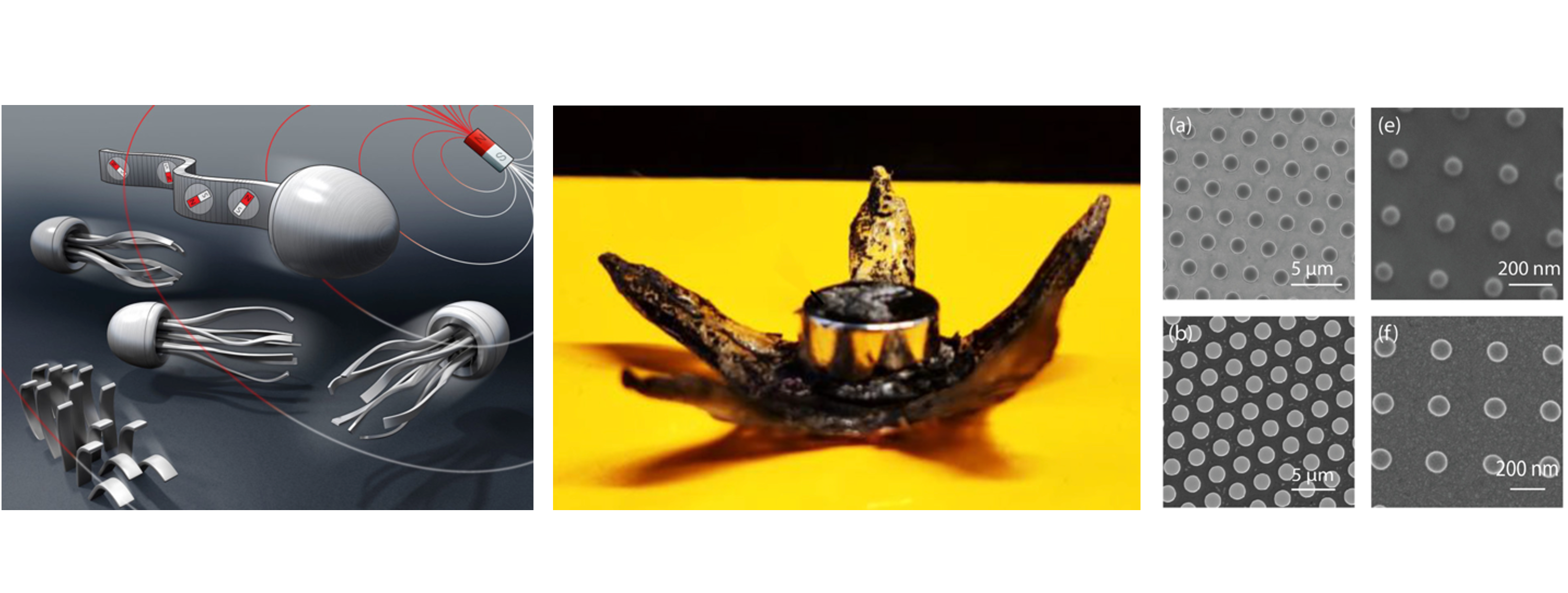
Development of effective constitutive model for polymers actuated by antiferromagnetic nanoplatelets
Develop of a novel constitutive material model that will accurately describe combined mechanical and magnetic behaviour of rubber materials with dispersed antiferromagnetic particles.
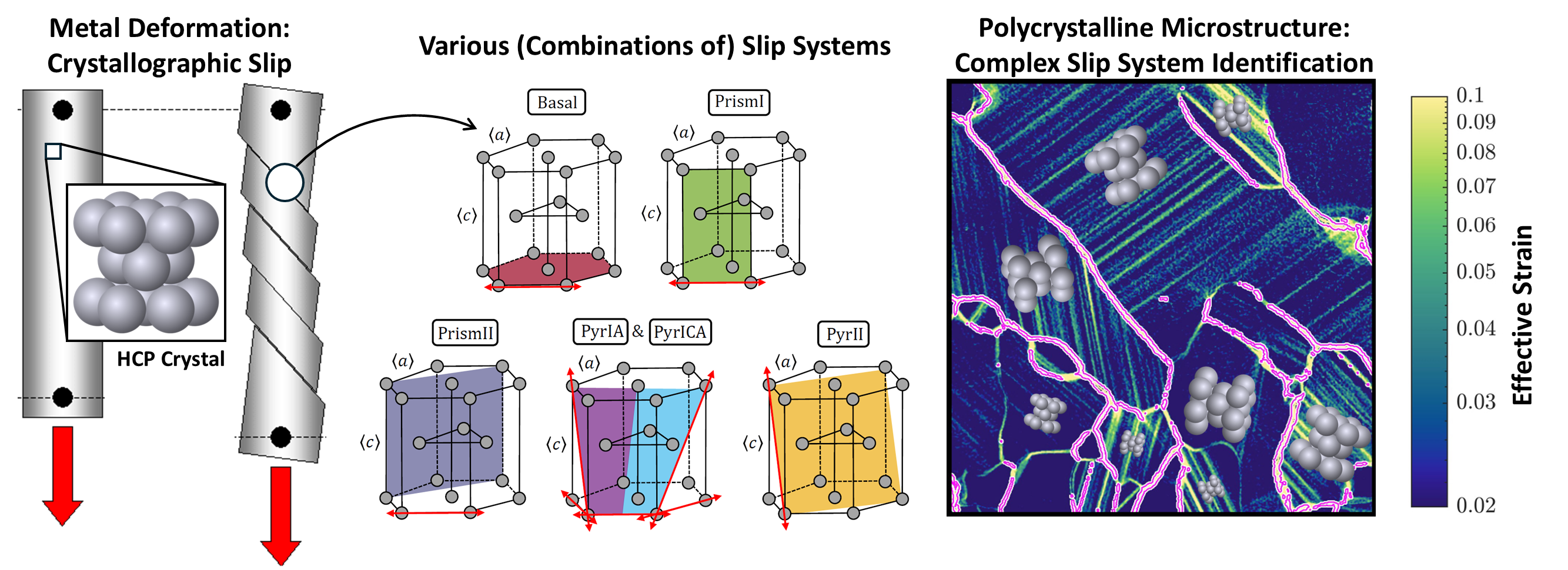
Materials meets Machine Learning - Identifying slip systems using neural networks
Identifying crystallographic slip systems in metals is critical to understand how they deform, so we can make them more durable and sustainable. Using machine learning, you will automate this process!
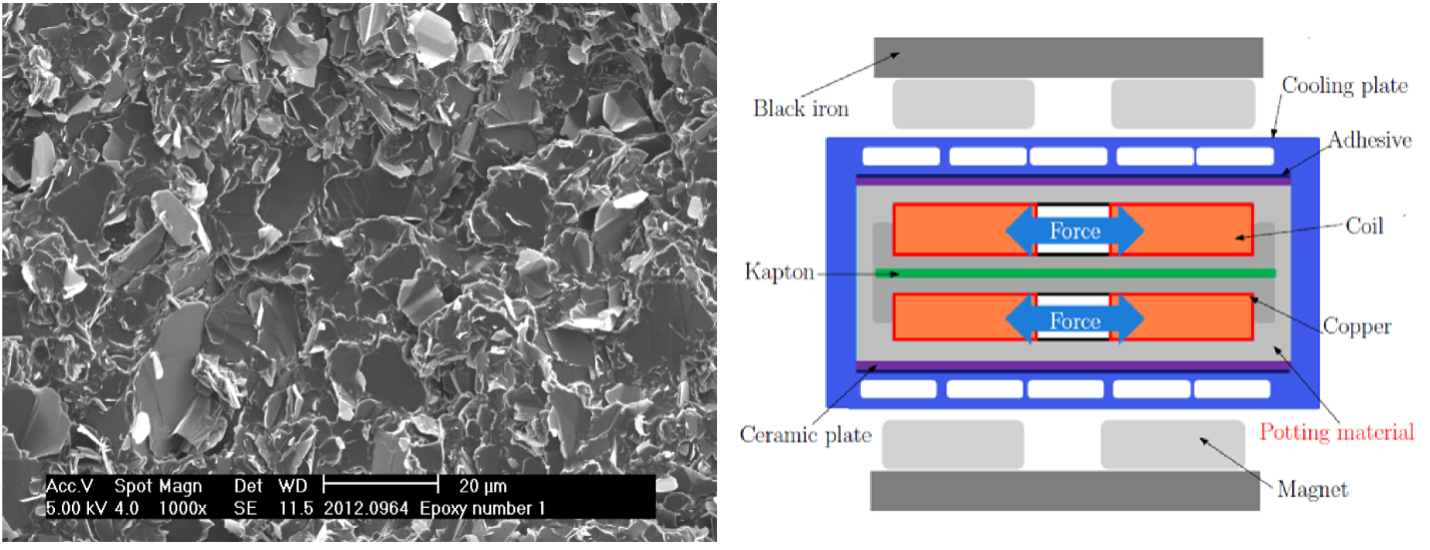
Micromechanical behavior of potting material for electromagnetic actuators
A fundamental understanding of the mechanical characteristics of the heterogeneous potting material in electromagnetic actuators is developed by the development and use of a numerical modelling framework.
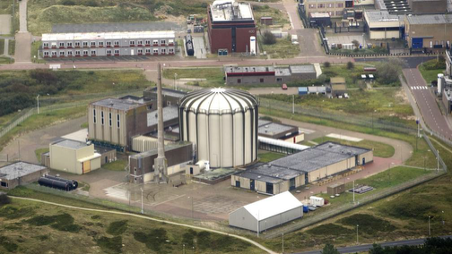
Modelling plastic deformation in neutron irradiated aluminum alloys using mean field crystal plasticity
Microstructure evolution due to neutron irradiation of aluminum alloys used for structural components in nuclear research reactors is modelled
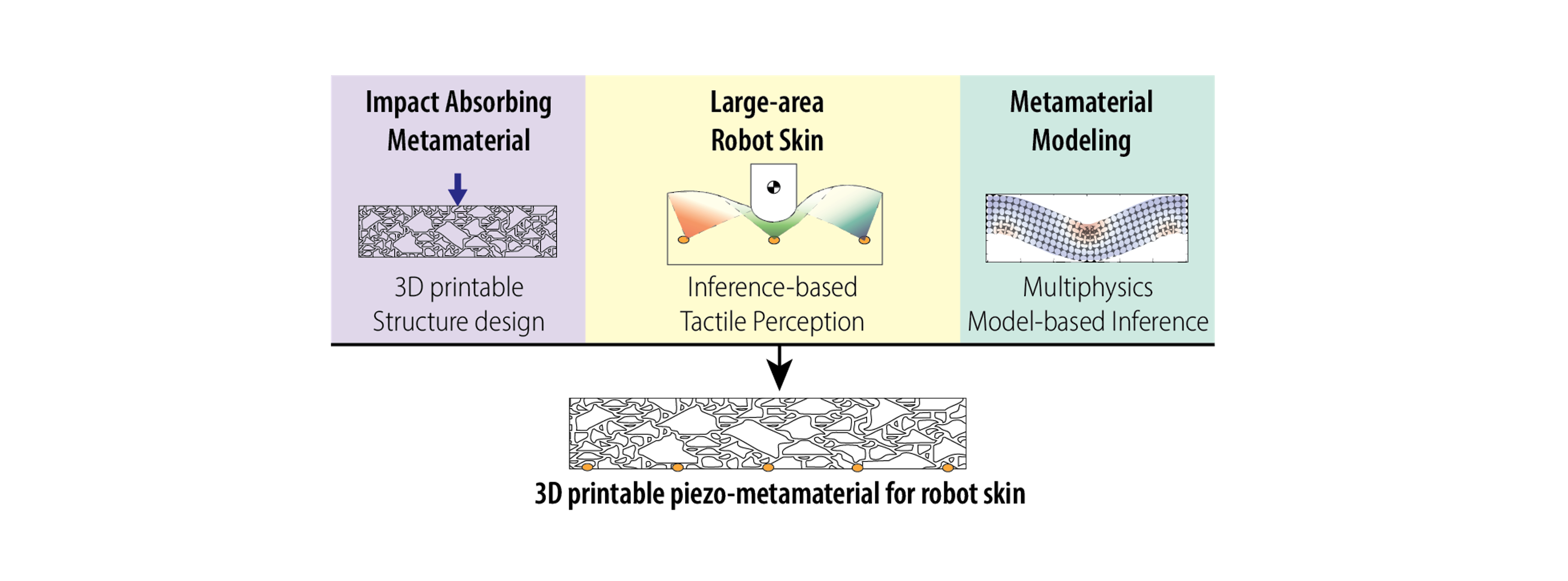
Metamaterial-Based Sensing Robot Skin
Design and development of a new class of robotic skins that will allow robots to sense and detect contact.
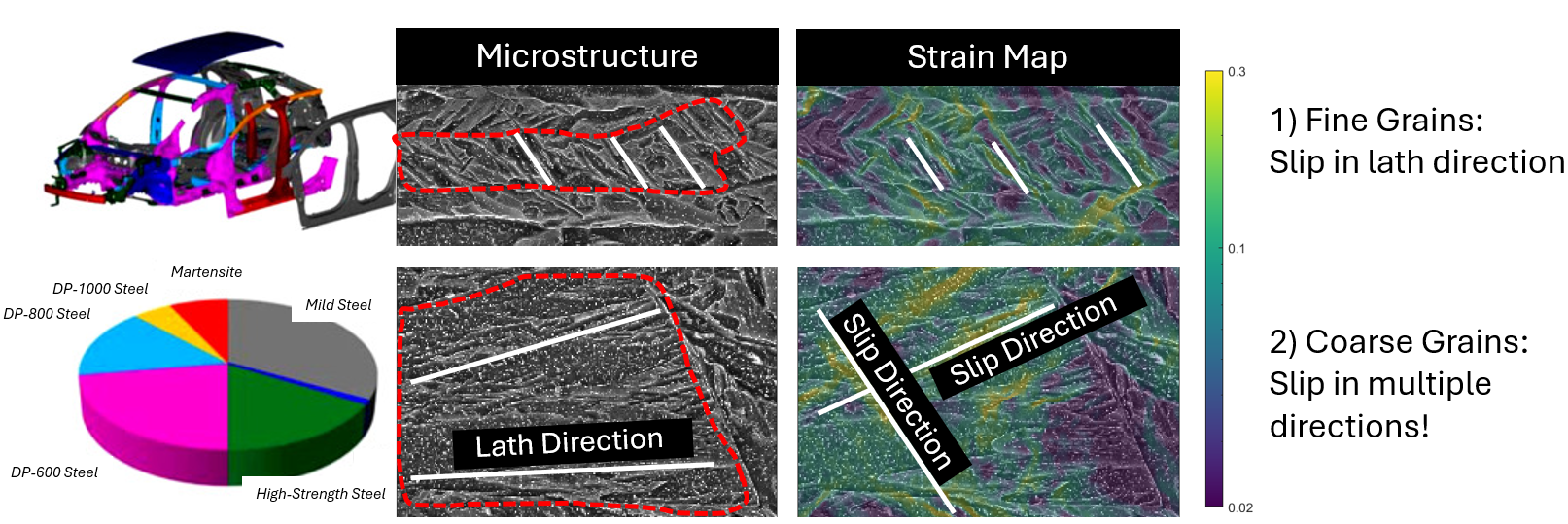
From experiment to simulation: uncovering the hidden anisotropy of martensite
Experiments show that martensite is anisotropic: its ductility strongly depends on the orientation of the crystal. Can you capture this behavior in a numerical model?
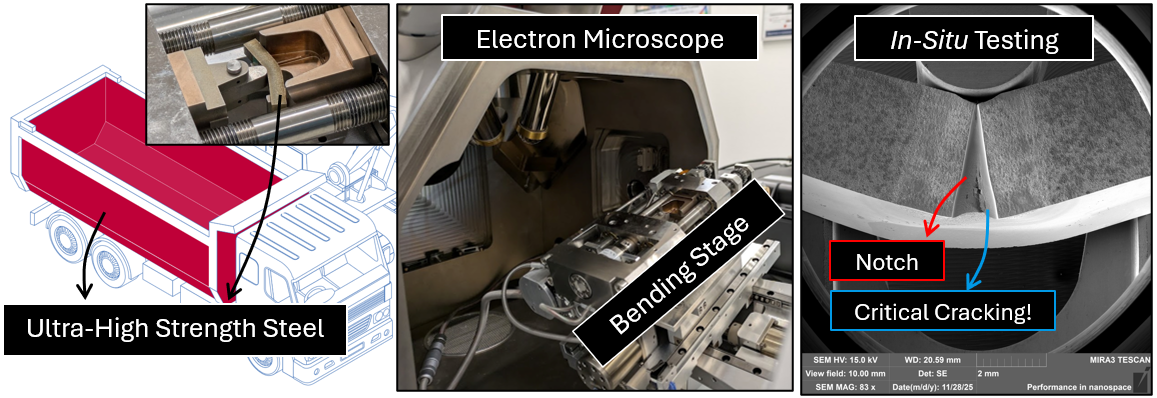
Bending at the microscale - a detailed experimental investigation
You will use high-resolution scanning electron microscopy to observe the complicated plasticity and damage evolution in high-strength steels, thereby contributing to the development of damage-resistant and sustainable steels.
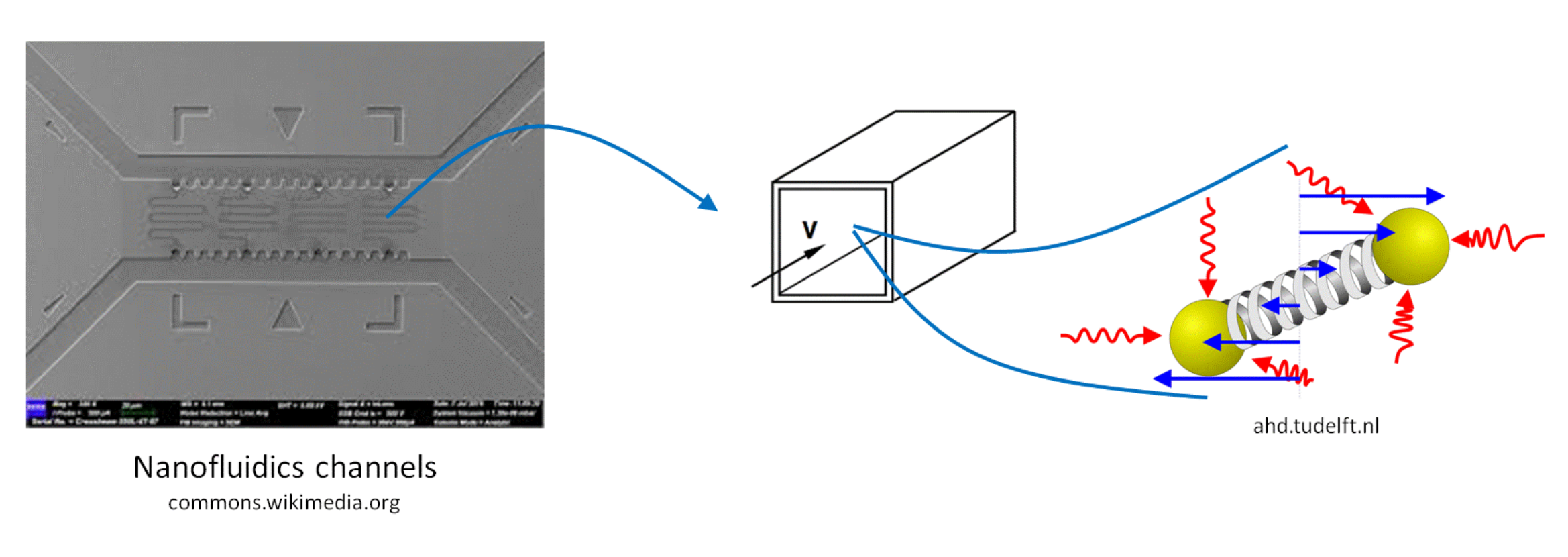
Complex Fluids in Micro- and Nano-fluidic Devices
In this project, you will develop and use finite-element simulations to study polymer solution flows in small-scale channels, accounting for thermal fluctuations and finite-size effects.

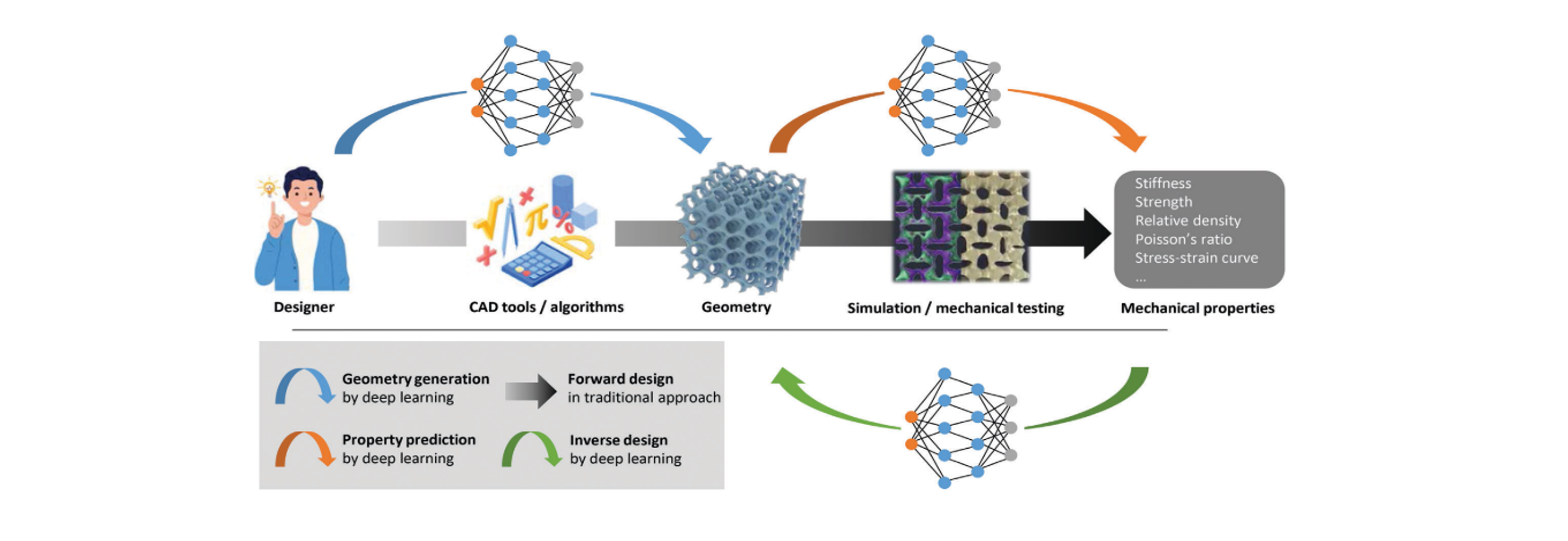
Investigating energy absorption of semi-auxetic sandwich composites
Develop autoencoder architecture for inverse design of semi-auxetics optimised for energy absorption. You will first generate training dataset using finite element method, which will be subsequently used generate new geometries with maximum toughness.
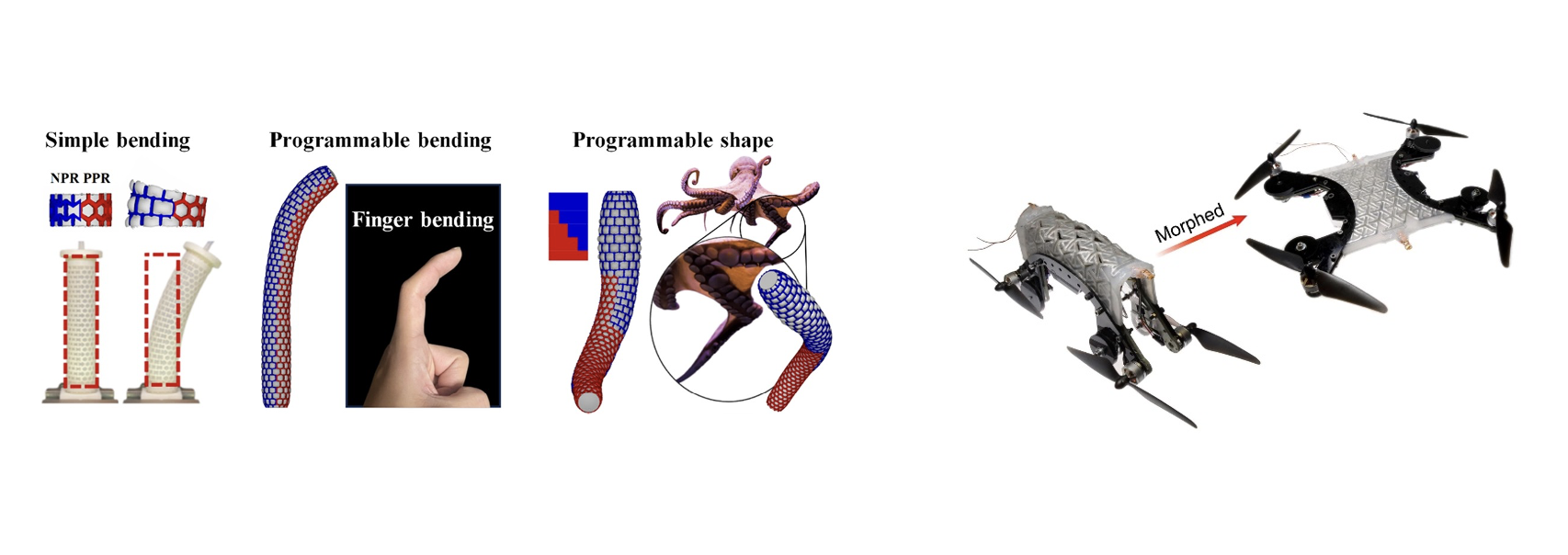
Investigation of symmetry in mechanical metamaterials
Unraveling relationship between symmetry groups and (meta)material behavior. You will explore and understand the relationship between symmetry and mechanical properties of (meta)materials in relation to buckling.